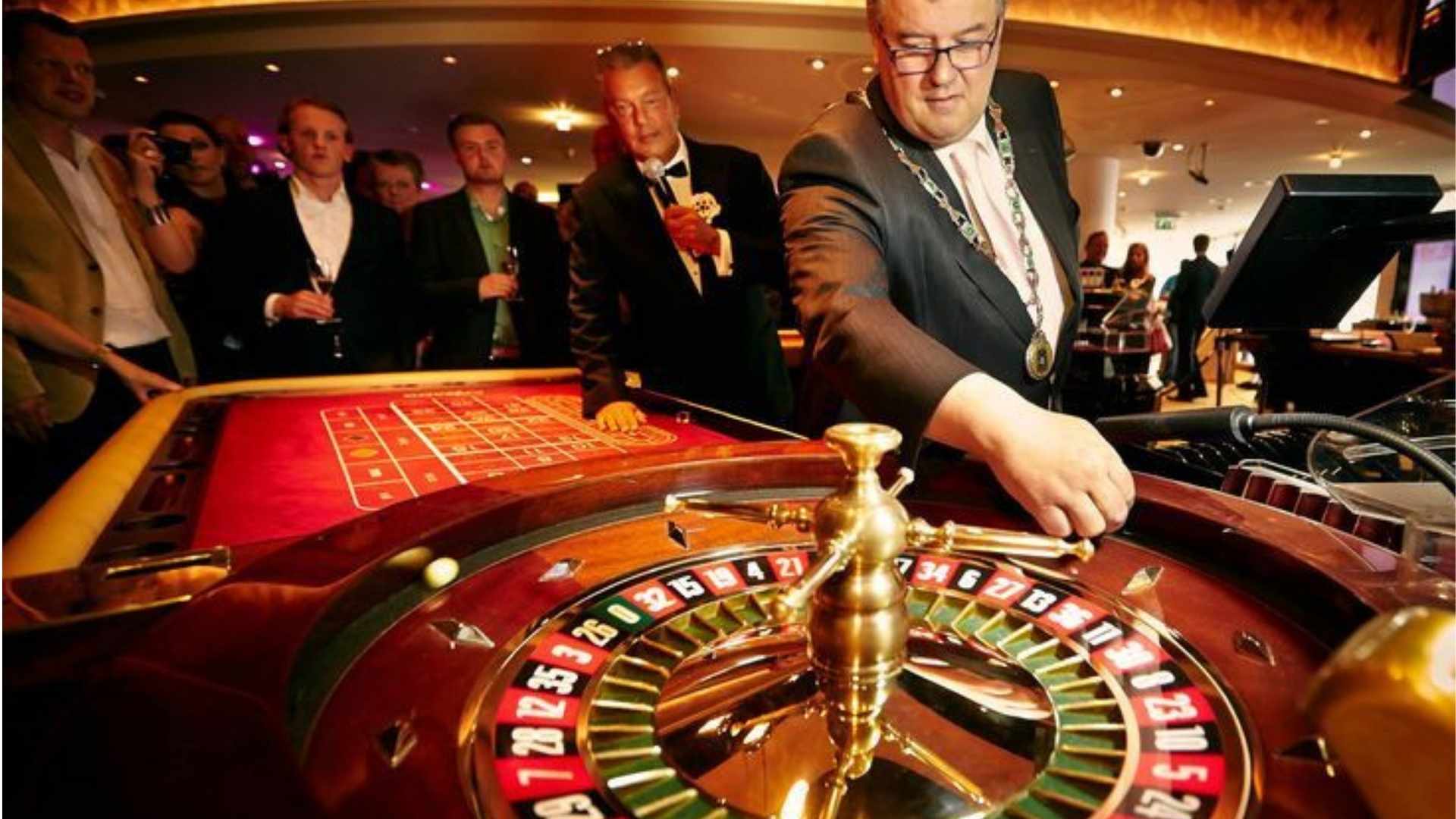
The cultural evolution of table games across continental Europe has left an indelible mark on the landscape of modern entertainment structures. Long before centralized betting houses streamlined operational procedures, regional communities engaged in deep social rituals governed by shared accountability and mutual respect. Uncovering how these continental practices transitioned into modern venues offers a fascinating glimpse into the shared history of global leisure activities.
The Aristocratic Roots of Shared Risk
In the private salons of nineteenth-century France and Italy, card games served as primary meeting grounds for high society networking. Unlike modern layouts where individuals confront an unyielding corporate entity, traditional systems relied on participants taking turns to manage the table funds. This structural arrangement transformed a simple comparison of numbers into a highly collaborative and psychological environment.
The physical arrangement of these historic rooms was meticulously designed to prioritize long periods of visual observation and quiet socialization. Because financial exposure was distributed directly among the players, every single deal required a high degree of communal trust and personal honor. This elegant framework ensured that the atmosphere remained deeply focused on human choices rather than rapid transaction speeds.
Adapting Continental Customs to the Modern Floor
As early gambling houses evolved into standardized commercial enterprises, the core mechanics of these regional pastimes underwent significant modifications. Moving from secluded private enclaves to expansive public floors required rules to become much more fast-paced and accessible to a broader audience. Automated dealing practices and fixed house structures gradually replaced the rotating operational burdens originally carried by the patrons.
Despite this massive shift toward institutional efficiency, the foundational allure of classic card interactions managed to survive the transition. Modern enthusiasts who enjoy exploring contemporary adaptations can visit an m88 slot platform to experience how historical gaming elements look today. These digital systems successfully preserve the basic numerical tension of traditional contests while implementing modern conveniences for a seamless user experience.
The Technical Preservation of Card Mechanics
The mathematical elegance hidden beneath standard card values continues to dictate the flow of play across different generations. Traditional calculation methods required intense mental arithmetic from participants who had to evaluate their hands under immense social pressure. Today, sophisticated software solutions manage these calculations instantly, yet the fundamental goal of achieving natural totals remains completely unaltered.
This unique combination of historic human decision-making and rigorous mathematical probability explains why continental table formats retain such a loyal global following. By understanding the transition from manual community oversight to automated digital platforms, modern players can better appreciate the structural depth of their favorite pastimes. The ongoing preservation of these ancient customs demonstrates that true entertainment value relies on design principles that successfully stand the test of time.