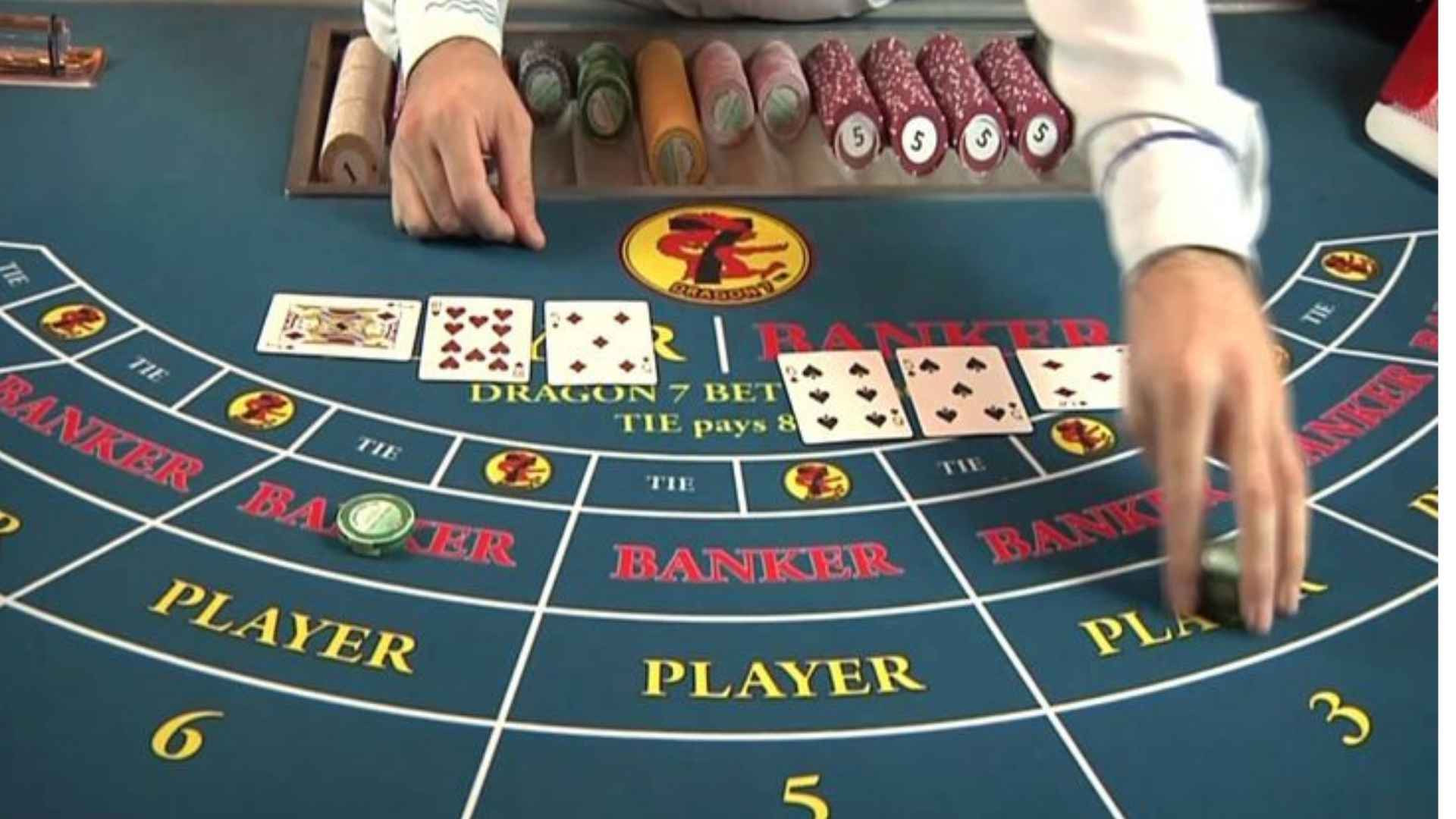
Stepping into a bustling card room exposes you to a completely unique dialect that shapes every strategic interaction. While casual observers might hear standard phrases, veteran table regulars recognize a highly specialized vocabulary that describes complex mathematical odds and strategic behaviors. Mastering these key terms is essential for anyone wishing to transition from a casual observer to a truly proficient competitor.
Understanding Basic Table Actions and Mechanics
Every hand begins with fundamental vocabulary that dictates the flow of the betting rounds. Regulars constantly discuss the difference between a simple flat call and a aggressive three-bet, which indicates a re-raise before the flop. Recognizing these foundational expressions allows players to accurately track the changing dynamics of the pot.
Furthermore, understanding position names like the button or the cutoff is vital for evaluating hand strength. Regulars know that acting last provides a massive tactical advantage over those forced to act early. Developing a clear grasp of these structural phrases ensures you remain completely aware during high-stakes sessions.
Decoding Tactical Bets and Strategic Bluffs
The language used around the green felt does far more than describe basic mechanics; it provides profound insight into competitive psychology. For instance, a continuation bet refers to a wager made on the flop by the player who originally raised before the flop. Regulars analyze these specific sequences to determine if an opponent is holding a genuine value hand or executing a bluff.
Another critical concept is value betting, where a competitor deliberately sizes their wager to extract the maximum amount of chips from a weaker hand. When exploring modern digital platforms to practice these strategic maneuvers, players often search for a reliable M88 link alternatif to access global card rooms. Understanding these precise betting terms helps you build a more disciplined approach to your long-term strategy.
Reading Timing and Behavioral Terminology
Experienced regulars pay close attention to the vocabulary used to describe physical and psychological tells during a live game. An angle shoot refers to an unethical, though technically legal, action intended to deceive an opponent into exposing their strategic intentions. Spotting these subtle behaviors quickly protects your chip stack from predatory moves at the table.
Additionally, entering a state of tilt describes a player becoming emotionally compromised after a bad beat or consecutive losses. Recognising this condition in yourself or your competitors completely changes how you calculate risk. Veteran players excel at exploiting opponents who allow frustration to dictate their wagering decisions.
Advanced Strategic Concepts and Card Variants
As players spend more time studying the game, they encounter sophisticated phrases that describe deep probability models. Terms like implied odds allow competitors to calculate potential future winnings relative to the current cost of a call. Regulars use these mathematical concepts to make highly profitable decisions in complex multi-way pots.
Ultimately, fully internalizing this rich vocabulary elevates your performance from basic card matching to an advanced psychological battle. Treating every session with disciplined focus allows you to interpret the silent communication happening around you. Mastering this shared lexicon is the definitive hallmark of a true card room professional.